Blog

Metal detection

The orientation effect

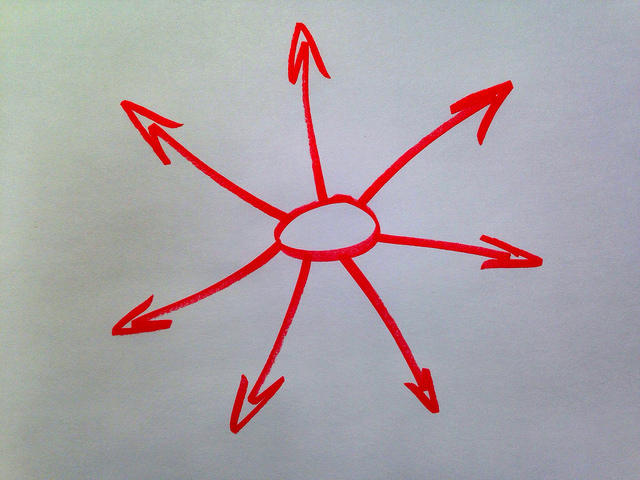
180702Arrows - David Mulder
Photo: David Mulder – “Arrows” by Flickr

The orientation effect appears in the case of metal bodies in the form of a needle or a thread. In one direction they are detected, but not in the perpendicular direction. Depending on the materials (ferrous and non-ferrous), the effect is opposite. Continue reading “The orientation effect”
Metal detection

And what are the other sources of failures?

Gouden fluit telefoon touw
Photo: Mathilda Samuelsson – “Gouden fluit telefoon touw” – by Flickr

In a daily situation, there are other sources of failures that must not be underestimated. These failures may be the cause of contaminated products arriving at your consumers. Continue reading “And what are the other sources of failures?”

Metal detection

What does it take to ensure a proper operation of your metal detection program?

180604Guy Sie 6498 movement macro
Photo: Guy Sie – “6498 movement macro” by Flickr

When your process runs smoothly without interruptions, you have less chance of fails in the metal detection system. Interruptions can negatively affect the reliability of your detection system: Continue reading “What does it take to ensure a proper operation of your metal detection program?”

Metal detection

The detection on products packed in metallised packages

180528Jackie - They Taste Even Better T
Photo: Jackie – “They Taste Even Better Than They Look!” by Flickr

Products packed in in metallised packages are obviously more complex to detect. With a few modifications of your process it will be possible. Continue reading “The detection on products packed in metallised packages”

Metal detection

How to place the test pieces at the most difficult place to be detected?

180514hedera.baltica
Photo: “To eat or to cache? – hedera.baltica by Flickr

The test pieces will be placed on or inside the product, in such a way, that the test piece passes through the centre of the opening of the detector. Continue reading “How to place the test pieces at the most difficult place to be detected?”

Metal detection

What is used for metal detection

180507Equilibrium 888 Felipe Gabaldon
Photo: “Equilibrium 8_8_8” – Felipe Gabaldón by Flickr

The metal detector will be placed in your production line. All products pass through the detector and are inspected. Contaminated products will be rejected.

When you install a metal detector, you are modifying your food safety system. Continue reading “What is used for metal detection”

Metal detection

Determination of the minimum rejected body size

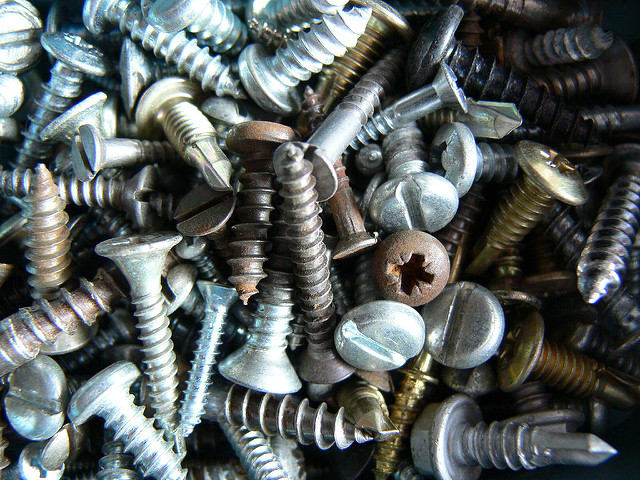
180502Screws - Zelda Richardson
Photo: “Screws” – Zelda Richardson by Flickr

All detection methods have their minimal detection limits, inclusive metal detection. The factor which restricts the most is your product. On the second place there is the type of metal. You wish to reject all the metal, but unfortunately, this is impossible. Continue reading “Determination of the minimum rejected body size”

Metal detection

The metallic foreign bodies prevention program

171009Sun raising over Cyber City - Bartosz Mogielka Gem
Photo: Bartosz Mogiełka – “Sun raising over Cyber City” by Flickr

This program is a part of the foreign body policy. But in this series the focus is oriented toward the metallic bodies. Which elements consist to minimize the metallic contamination? Continue reading “The metallic foreign bodies prevention program”

Metal detection

Metal detection – The solution for minimizing the contamination of your products?

171002Gold Chains - Adam (Gem)
Photo: Adam – “Gold Chains” by Flickr

Metal detectors are widely used in the food producing industry, to reject the products containing metallic foreign bodies. Is it sufficient to install a metal detection within your production line? Continue reading “Metal detection – The solution for minimizing the contamination of your products?”